Why You Can’t Put Your Phone Down at Night — and 20 Ways to Ditch Screens and Sleep Better
Posted Date: January 1st, 2026
Why We Can’t Put Our Phones Down at Night
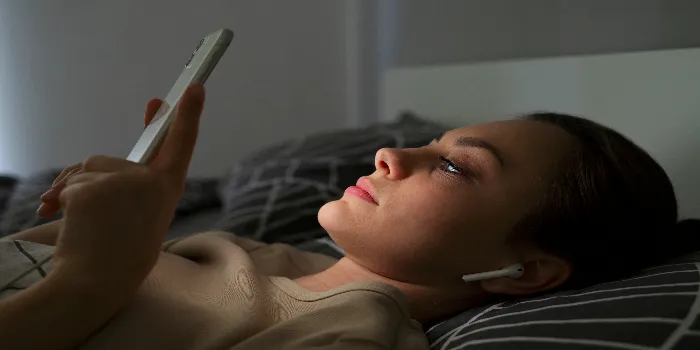
Do you go to bed feeling tired—but still end up scrolling on your smartphone for hours? You’re not alone. Smartphone addiction at night has become one of the biggest obstacles to quality sleep in the digital age.
Many people struggle with screen addiction before sleep, even when they know it affects their health. Late-night phone use disrupts sleep cycles, increases stress, and leaves us exhausted the next morning.
The good news? You can break this habit.
In this article, you’ll discover 20 practical and proven ways to ditch screens at night, improve sleep quality, and wake up feeling refreshed—without extreme rules or unrealistic routines.

Why Using Your Phone Before Bed Is So Harmful
Before learning how to stop using your phone before bed, it’s important to understand why this habit is so addictive.
Effects of Smartphone Use at Night
-
Blue light suppresses melatonin (sleep hormone)
-
Endless scrolling overstimulates the brain
-
Notifications trigger anxiety and FOMO
-
Sleep quality and REM cycles are reduced
Over time, nighttime screen habits can lead to:
-
Chronic fatigue
-
Poor concentration
-
Mood swings
-
Reduced productivity
That’s why ditching screens at night is not just about sleep—it’s about overall well-being.
20 Ways to Ditch Screens at Night and Sleep Better
1. Set a Digital Curfew
Choose a fixed time—such as 9:30 or 10:00 p.m.—to stop using screens. A digital curfew helps train your brain to prepare for sleep naturally.
2. Charge Your Phone Outside the Bedroom
Keeping your phone out of reach dramatically reduces mindless scrolling. This is one of the most effective ways to stop phone use before bed.
3. Replace Screen Time With a Night Routine
Instead of scrolling, try:
-
Reading a physical book
-
Journaling
-
Gentle stretching
-
Listening to calm music
-
Replacing habits works better than removing them completely.
4. Enable Night Mode (But Don’t Rely on It)
Night mode reduces blue light, but it doesn’t stop mental stimulation. Use it as a support tool—not a solution.
5. Turn Off Unnecessary Notifications
Silence social media and promotional alerts at night. Fewer interruptions mean deeper sleep and less phone dependency.
6. Create a Relaxing Wind-Down Ritual
A consistent bedtime routine signals your body that it’s time to rest. This is essential for better sleep without a phone.
7. Use a Traditional Alarm Clock
If your phone is your alarm, you’ll keep it nearby. Switching to a physical alarm clock removes temptation.
8. Write Tomorrow’s Tasks on Paper
Late-night scrolling often comes from anxiety. Writing down tasks clears your mind and reduces nighttime phone use.
9. Make Your Bedroom a Screen-Free Zone
Your bedroom should be associated with sleep—not social media. This habit significantly improves sleep quality.
10. Read Something Light and Calm
Avoid thrilling or intense content at night. Choose calming reading material that helps your brain slow down.
11. Use App Limits for Evening Hours
Set time restrictions for social media apps. App timers are powerful tools for managing screen addiction before sleep.
12. Lower the Lights After Sunset
Dim lighting helps your body release melatonin naturally, reducing dependence on screens at night.
13. Practice the “Tomorrow Rule”
Tell yourself: “I can check this tomorrow.”
This simple mindset shift reduces anxiety and impulse scrolling.14. Keep Your Phone Face Down
A glowing screen—even without sound—can disrupt your focus and tempt you to check it.
15. Track Morning Energy Levels
Notice how ditching screens at night improves:
-
Energy
-
Focus
-
Mood
-
Positive feedback strengthens new habits.
-
Notebook instead of notes app
-
Paper book instead of e-reader
-
Less screen exposure = better sleep.
-
Deeper sleep
-
Mental clarity
-
Emotional balance
-
Healthier mornings
16. Use Analog Tools at Night
Replace apps with physical tools:
17. Don’t Aim for Perfection
Breaking smartphone addiction at night is a process. Progress matters more than perfection.
18. Involve Family or Roommates
Shared digital boundaries make it easier to stick to nighttime screen rules.
19. Focus on What You Gain
By reducing phone use at night, you gain:
20. Start Small—Tonight
Even 10 minutes less screen time before bed makes a difference. Small steps lead to lasting change.
Final Thoughts: Reclaim Your Nights, Improve Your Life
Your nighttime habits shape your mental and physical health. Smartphone addiction at night may feel normal—but it doesn’t have to be permanent.
By making small, intentional changes, you can:
Ditch screens at night
Improve sleep quality
Wake up energized and focused
Start tonight. Your future self will thank you.
FAQs
QUES 1: Why is it hard to stop using a smartphone at night?
ANS: Smartphones trigger dopamine and emit blue light, which keeps the brain alert. This makes it difficult to relax and fall asleep.
QUES 2: Does using a phone before bed affect sleep quality?
ANS: Yes, phone use before bed can reduce melatonin levels, delay sleep, and lower overall sleep quality.
QUES 3: How much screen time before bed is considered unhealthy?
ANS: Using screens for more than 30–60 minutes before sleep is generally considered unhealthy and can disrupt natural sleep patterns.
QUES 4: Can ditching screens at night really improve sleep?
ANS: Yes, reducing screen use at night helps the brain relax, improves sleep quality, and increases morning energy levels.
QUES 5: What is the best time to stop using a phone before bed?
ANS: Experts suggest stopping phone use at least 30–60 minutes before bedtime for better sleep.
QUES 6: Is night mode enough to prevent sleep problems?
ANS: Night mode reduces blue light but does not eliminate mental stimulation. Limiting phone use is still important.
QUES 7: How long does it take to break nighttime phone habits?
ANS: It usually takes a few weeks of consistent effort to reduce smartphone addiction at night and build healthier sleep habits.
-
Related Posts





Dr. Emily Carter is a seasoned health writer and wellness advocate at Healths News Today. With over a decade of experience in the healthcare industry, she specializes in translating complex medical information into easy-to-understand content that empowers readers to make informed decisions about their health.
Top Posts




Latest Post
Stay in Touch